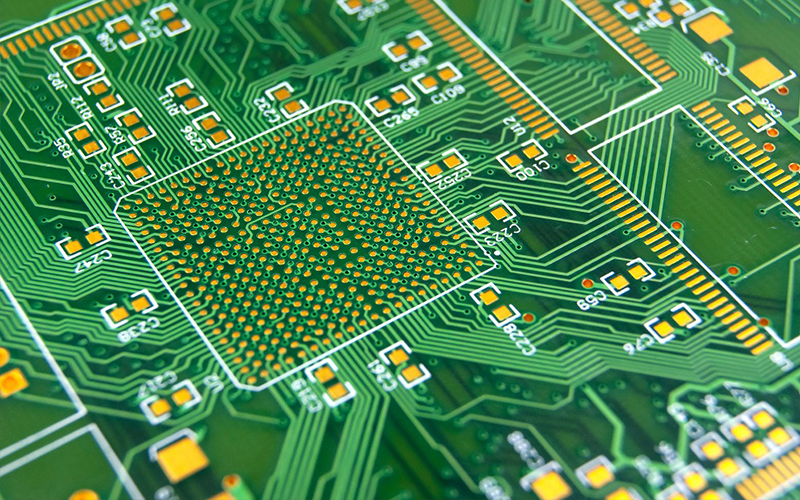
What pollutants are PCBs easily contaminated by?
April 19, 2025.
- lzjpcbDuring the PCB Manufacturing process, various contaminants can easily affect the quality of the product, leading to decreased production efficiency. This article will discuss some common contaminants that can occur during PCB manufacturing, their impact, and preventive measures based on actual manufacturing practices.
1. Dust Contamination
Dust contamination is one of the most common types of contamination during PCB manufacturing. Processes such as drilling, polishing, cleaning, and other mechanical operations generate large amounts of dust. These dust particles, which may consist of different metals, plastics, or chemicals, can settle on the PCB surface. If dust contaminates the surface of the board, it may cause short circuits, open circuits, or poor connectivity issues. Dust contamination not only affects the functionality of the circuit board but can also lead to equipment malfunctions and production line downtime.
Preventive Measures: Enhancing ventilation systems in the workshop, using high-efficiency air filters, and regularly cleaning equipment and the production environment can effectively reduce dust contamination.
2. Chemical Contamination
The manufacturing of PCBs involves the use of various chemicals, including copper etching solutions, acid cleaning solutions, and cleaning agents. If these chemicals are not properly managed, residues can remain on the PCB, leading to contamination that affects electrical performance and surface corrosion. For example, if chemicals from the etching process are left behind, they can cause uneven corrosion on the PCB surface, which impacts the stability and reliability of the circuitry.
Preventive Measures: When using chemicals, it is crucial to ensure that formulations meet industry standards, and chemical concentrations should be tightly controlled. Automated cleaning systems should be used to ensure that no chemical residues remain on the PCB surface.
3. Electrostatic Contamination
Electrostatic discharge (ESD) is another common issue in PCB manufacturing, particularly during assembly. When static electricity accumulates to a certain level, it can damage sensitive components and even cause short circuits. Electrostatic contamination not only harms the PCB but also disrupts equipment functionality, reducing production efficiency.
Preventive Measures: Installing anti-static devices, such as static eliminators and ionizing air guns, can effectively reduce the buildup of static electricity. Additionally, operators should wear anti-static clothing and gloves to prevent electrostatic damage to PCBs.
4. Temperature and Humidity Contamination
Changes in temperature and humidity can also significantly impact the manufacturing process and the quality of PCBs. High temperature and humidity can affect the stability of PCB materials, particularly for surface-mount technology (SMT) and flexible printed circuit boards (FPC). These changes can cause materials to expand or contract, which in turn affects the precision of dimensions and electrical performance.
Preventive Measures: It is essential to maintain a constant temperature and humidity in the workshop. The temperature should typically be kept at 23±2°C, and the humidity should be controlled between 45%-55%. Air conditioning and humidity control devices can be used to stabilize the production environment.
5. Oil Contamination
Oil contamination mainly comes from the lubricants and oils used in the machinery during the PCB manufacturing process. If these oils are not properly cleaned, they can leave stains on the PCB surface, which will affect subsequent electrical testing and soldering processes. Oil contamination can hinder solder adhesion, causing soldering defects such as poor connections, open circuits, or short circuits.
Preventive Measures: Using clean equipment and pollution-free raw materials, and ensuring regular cleaning during the production process can help prevent oil contamination from affecting the PCB surface.
6. Microbial Contamination
Although PCB manufacturing environments are generally dry and high-temperature, microbial contamination can still occur if the workshop is not properly managed, especially in areas with high humidity. Microbial contamination can lead to corrosion on the PCB surface or failure of soldering areas.
Preventive Measures: Maintaining a clean and dry production environment, regularly disinfecting equipment, and ensuring that the environment is free from microbial contamination will help protect the PCB from such pollutants.